Oil Wars
One company controlled 91% of American oil refining. It was “broken up” — into 34 companies that merged back into three. Then the same families funded the CIA. Then the CIA started overthrowing every country that touched the oil supply. This is not a fuel story. It’s a control story.
The Monopoly
Standard Oil
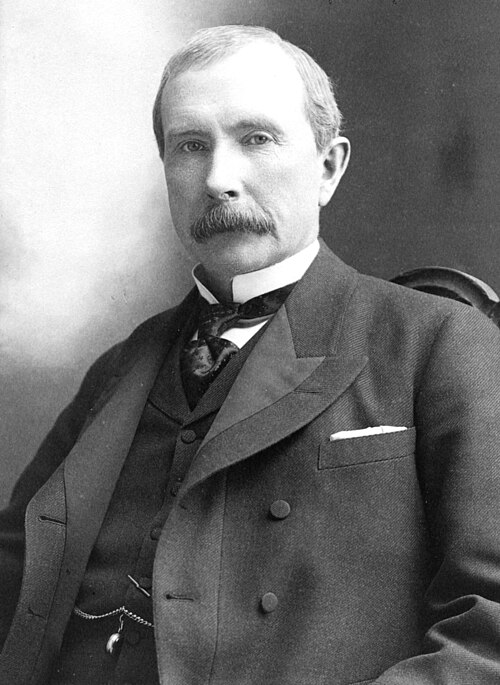
In 1870, John D. Rockefeller founded Standard Oil of Ohio. By 1904, it controlled 91% of US oil refining and 85% of final sales. It was the most powerful monopoly in American history — and the blueprint for every monopoly that followed.
The company didn’t just sell oil. It controlled the railroads that shipped it, the pipelines that moved it, the refineries that processed it, and the politicians who regulated it. When the Supreme Court finally ordered its dissolution in 1911, the public was told the monopoly was broken.
It wasn’t. It was distributed.

The “Dissolution”
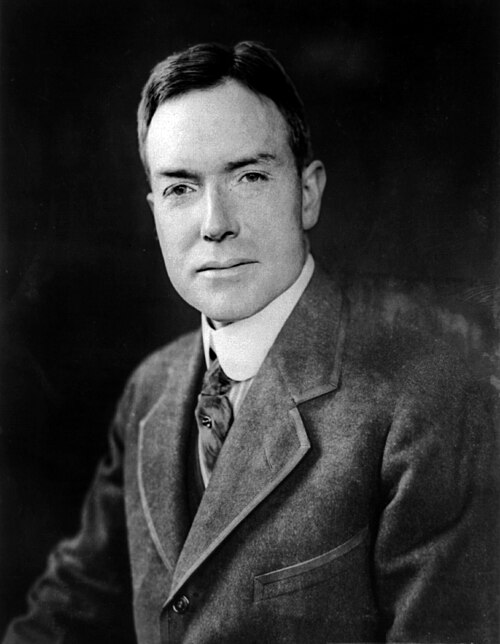
The 1911 Supreme Court decision split Standard Oil into 34 companies. Textbooks call this the triumph of antitrust. But the Rockefeller family retained stock across every single successor company. The dissolution redistributed operational control without eliminating ownership. And over the next 90 years, those 34 fragments merged back together.
The Reconsolidation
The Cartel
The Achnacarry Agreement
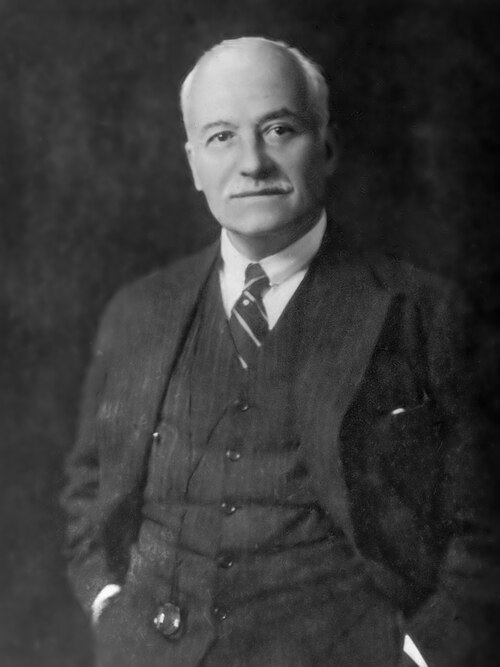
The dissolution didn’t create competition. It created a cartel. In 1928, the heads of the world’s largest oil companies met at Achnacarry Castle in the Scottish Highlands — ostensibly for a grouse-hunting weekend. What they actually agreed on was how to divide the planet.
Shell, Standard Oil of New Jersey, and Anglo-Persian Oil (later BP) signed the “As-Is Agreement” — a secret pact to fix global market shares and coordinate oil pricing. The cartel eventually extended to all Seven Sisters. The FTC didn’t uncover the agreement until decades later.

Monopoly → Theater → Cartel → Global control → Partial challenge → Reassembly
The Coups
The Pattern
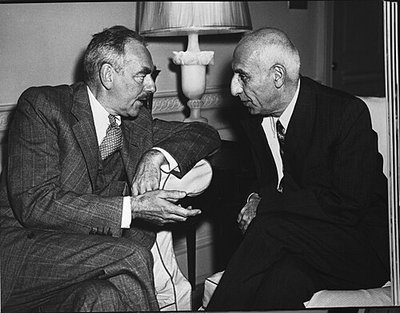
The CIA’s first covert regime-change operation was about oil. Not communism. Not democracy. Oil. And the pattern never stopped.
Every country that nationalized its oil supply, switched its oil currency, or proposed an alternative to the petroleum-dollar system got the same answer: regime change.
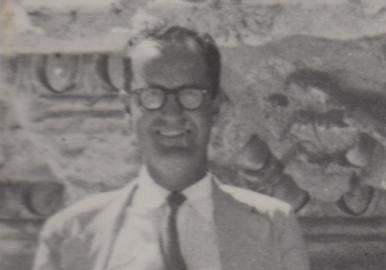
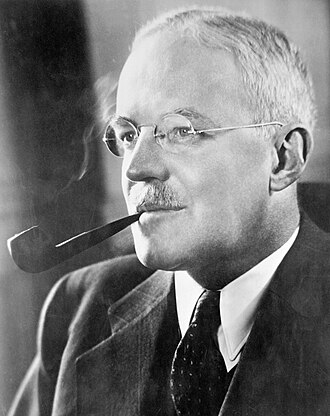
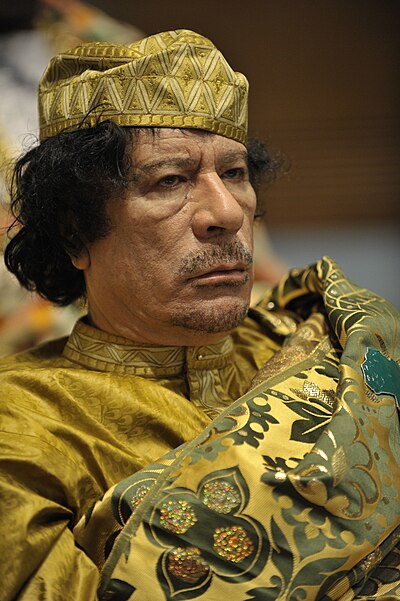
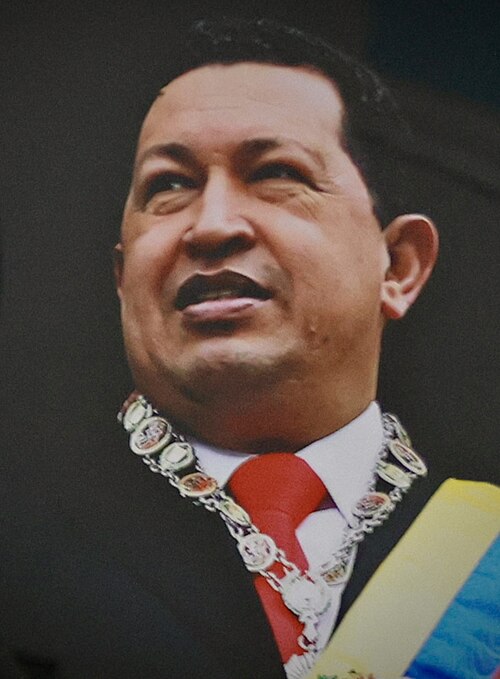
The Oil Pattern
See also: Scroll 002: Money Wars — “The Holdouts”
The Octopus
One Molecule, Four Control Systems
Oil isn’t just energy. It’s medicine. It’s food. It’s the feedstock for the pharmaceutical industry, the fertilizer for industrial agriculture, and the chemical base for the modern food system. The Rockefeller petroleum monopoly didn’t just control what powers your car — it controls what heals your body and feeds your family.
Energy monopoly → Chemical cartel → Medical control → Agricultural dependency → Seed + chemical lock-in
The Burial
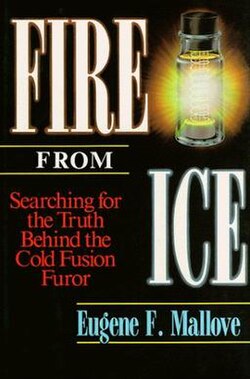
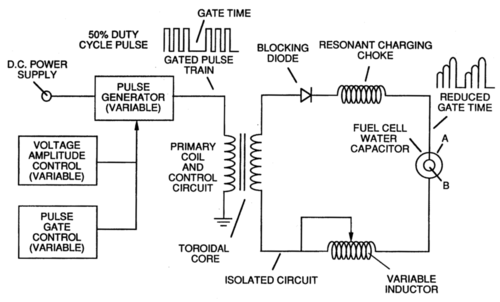
Suppressed Technologies
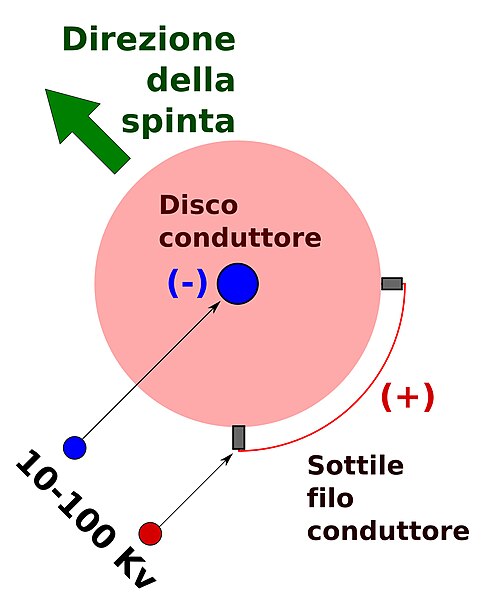
If petroleum is the foundation of a control system spanning energy, medicine, and food — then any technology that replaces petroleum isn’t just a business threat. It’s an existential threat to the entire architecture. And the architecture has a documented mechanism for dealing with threats.
The Lock
The Petrodollar Lock
Now you see the lock. The petrodollar system from Scroll 002 isn’t just a financial arrangement — it’s an energy arrangement. Every country must buy oil. Oil is priced in dollars. Therefore every country must hold dollars.
Any technology that replaces oil doesn’t just threaten ExxonMobil — it threatens the reserve currency of the world. This is why the CIA overthrows governments and the patent office classifies inventions. It’s the same war.
The Lock
Every coup in this investigation had an oil field behind it. Every suppressed technology had a petroleum market to protect. Every patent secrecy order has a monopoly it serves. The war for oil is the war for everything — because petroleum isn’t just what powers the machine. It’s what the machine is made of.
Disclosure is not a single event. It’s a process. And it only works if people are paying attention.
