Skip to content
← Disclosure Scrolls
Scroll 007
~30 min read

Body Wars

In 1910, one report funded by one family shut down half the medical schools in America. By 1967, the sugar industry had paid Harvard to blame fat for heart disease. By 1996, a single painkiller would kill 600,000 people and generate $35 billion. The war for your body was never a fair fight — because you didn’t know it was happening.

Documented Credible Inference
↓ Begin scrolling
Act I

What You Think You Know

The United States spends more on healthcare than any nation on Earth.

The Numbers

Annual U.S. healthcare spending:

$4,300,000,000,000

More than the GDP of Germany. More than the military budgets of every country on Earth combined. The most expensive healthcare system ever built.

And the people inside it are the sickest in the developed world.

Chronic disease60% of American adults
Two+ chronic diseases40% of American adults
Ultra-processed food57% of all calories consumed
Life expectancyDeclining since 2015 — before COVID
Documented
The United States is the only developed country where life expectancy has been declining. Americans spend the most per capita on healthcare and have the worst health outcomes in the OECD. 60% of adults have at least one chronic disease. The system is not failing — it is succeeding at something other than health.
CDC National Center for Health Statistics; OECD Health Statistics 2024; CMS National Health Expenditure data.

If the system is designed to make us healthy… why are we so sick?

This scroll answers that question. Not with speculation. With receipts.

Congressional records. Court settlements. Litigation discovery. The industry’s own internal memos. The federal government’s own reports.

The war for your body is the most documented war in this series.

Act II

The Architecture

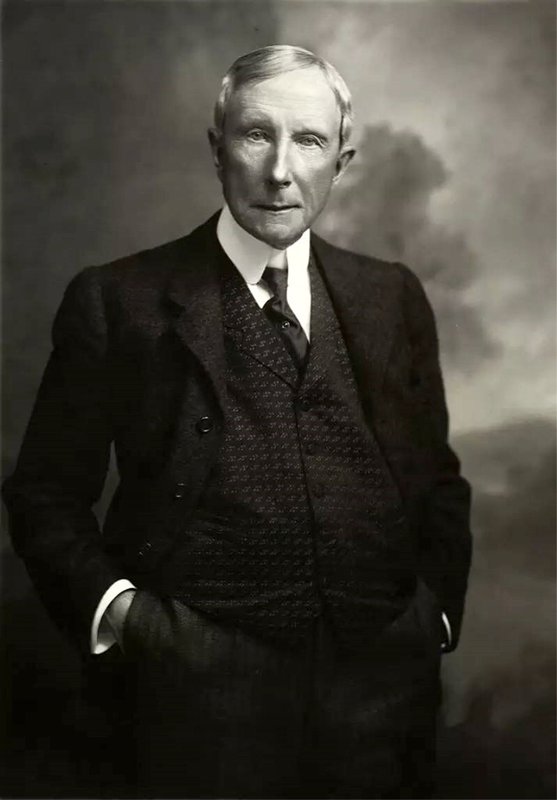
John D. Rockefeller Sr.
Standard Oil founder — richest man in history
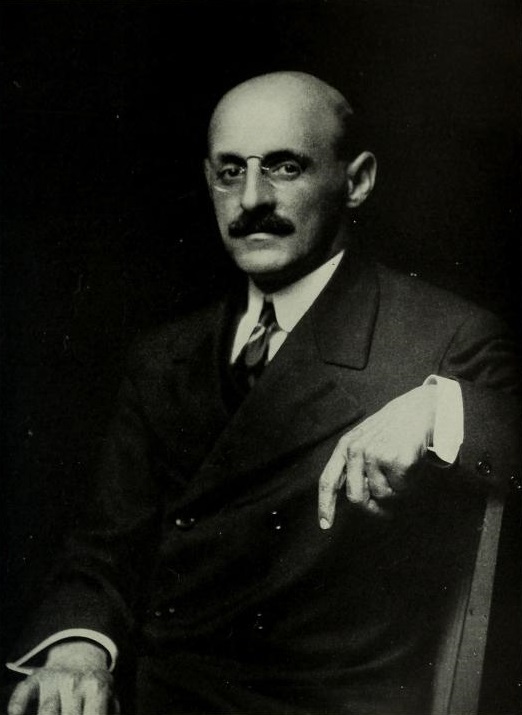
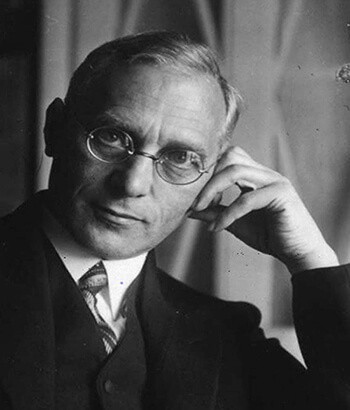
Abraham Flexner
Abraham Flexner
Schoolteacher who wrote the report that shut down half of America’s medical schools

Most people know John D. Rockefeller as the oil monopolist. Standard Oil. The richest man in history. What they don’t know is what he did after the breakup.

He didn’t lose power. He redirected it.

The Flexner Report (1910)

Documented
In 1910, the Carnegie Foundation published a report by Abraham Flexner — a schoolteacher with no medical credentials whose brother directed the Rockefeller Institute — surveying all 155 medical schools in America. The report recommended closing most of them. The AMA Council on Medical Education had secretly requested the Carnegie survey in 1907, documented in their own minutes. They wanted an outside body to eliminate their competitors.
Flexner, Abraham. Medical Education in the United States and Canada, Carnegie Foundation Bulletin No. 4, 1910. AMA Council on Medical Education minutes, 1907. Starr, Paul. The Social Transformation of American Medicine, 1982 (Pulitzer Prize).
Medical schools (1904)160
Medical schools (1935)66
Eclectic (herbal) schoolsAll eliminated
Homeopathic schools (1900)22 → 0
Black medical schools closed5 of 7
GEB grants to conforming schools$91 million
Documented
The Rockefeller General Education Board distributed over $91 million (~$2 billion today) to medical schools that adopted the pharmaceutical/laboratory model. Schools that didn’t conform received nothing. Their students couldn’t get licensed. They closed. Every homeopathic, eclectic, and naturopathic college either shut down or converted. Flexner’s report also explicitly recommended that Black physicians “limit practice to their own race.”
Rockefeller Archive Center, GEB records. Brown, E.R. Rockefeller Medicine Men, University of California Press, 1979. Flexner Report, p. 180.

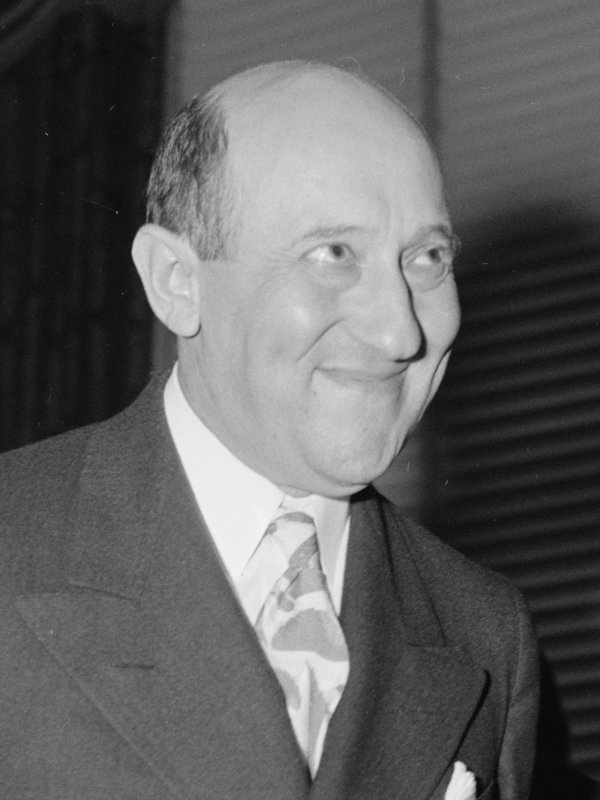
The Enforcer: Morris Fishbein

Morris Fishbein
Morris Fishbein
JAMA editor 1924–1950 — never practiced medicine
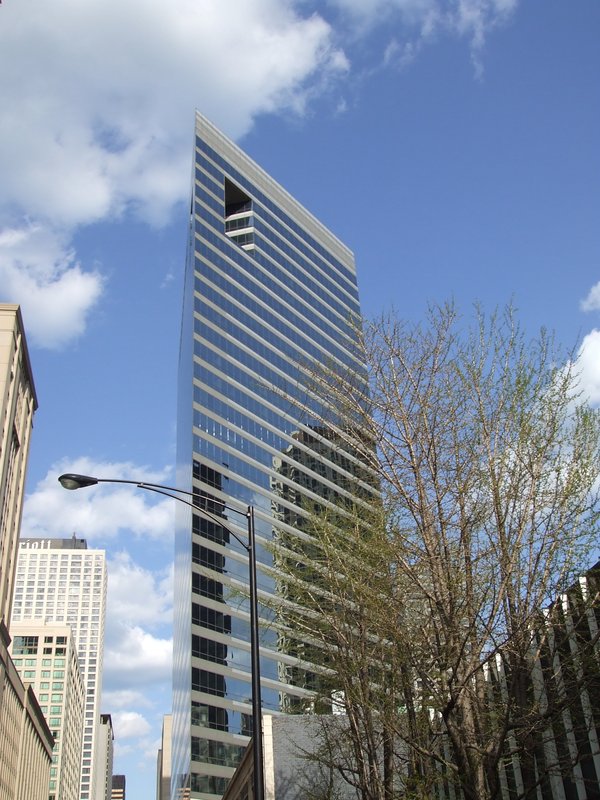
American Medical Association headquarters
AMA Headquarters
Private organization — not a government agency

Morris Fishbein edited the Journal of the American Medical Association for 26 years (1924–1950). He never practiced medicine after his internship. He admitted under oath that he failed anatomy. He ran the AMA’s Bureau of Investigation, which targeted any practitioner using non-pharmaceutical approaches. He carried tobacco ads in JAMA for two decades. He was the most powerful figure in American medicine, and he used that power as a weapon.

The Casualties

Five practitioners. Five documented destructions.
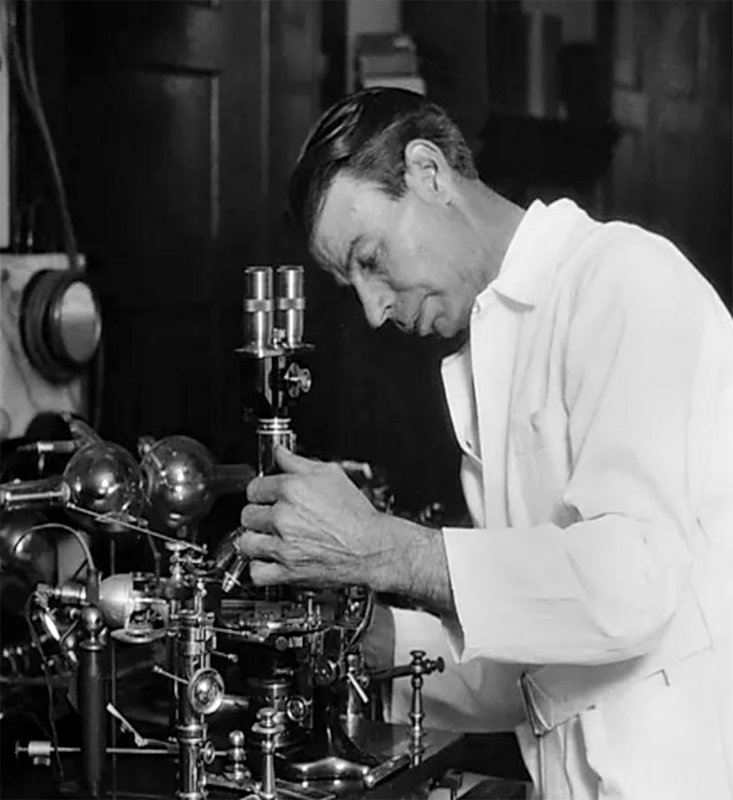
Royal Raymond Rife in his laboratory
Royal Raymond Rife
Microscope inventor — documented by the Smithsonian
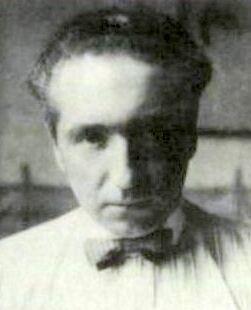
Wilhelm Reich
Wilhelm Reich
Books burned by FDA order — died in prison, 1957
Documented
Royal Raymond Rife built a high-magnification optical microscope documented by the Smithsonian Institution (Annual Report, 1944). He developed frequency therapy devices. The AMA campaign against his work destroyed his lab and his career. Whether his therapy worked is debatable — but it was never allowed to be properly evaluated.
Seidel, R.E. “The New Microscopes,” Smithsonian Annual Report, 1944, pp. 193-220. Beam Ray Corporation trial records, San Diego Superior Court, 1939.
Harry Hoxsey
Harry Hoxsey
Won libel case vs AMA — clinic still operates in Mexico
Max Gerson
Max Gerson
Testified before U.S. Senate with 5 recovered cancer patients
Documented
Harry Hoxsey operated the largest private cancer center in America (12,000 patients). He sued Morris Fishbein for libel — and won. The judge stated from the bench that Hoxsey’s treatment “does cure certain forms of cancer.” The FDA responded by posting Hoxsey’s photograph in all 46,000 U.S. post offices as a warning. His clinics were shut down. The treatment moved to Mexico, where the clinic still operates today.
Hoxsey v. Fishbein, U.S. District Court, Northern District of Texas, 1949. FDA enforcement records.
Documented
The Fitzgerald Report (1953): Special counsel Benedict Fitzgerald, commissioned by the U.S. Senate Commerce Committee, investigated whether alternative cancer treatments were being suppressed. His conclusion, entered into the Congressional Record: “There is reason to believe that the AMA and the FDA have been, and are now, engaged in a conspiracy to suppress alternative cancer treatments.” No action was taken.
Congressional Record, August 3, 1953. Fitzgerald Report, submitted to Senator William Langer.
Documented
Max Gerson, a German-born physician, testified before the U.S. Senate in 1946 with five recovered cancer patients. Senator Pepper’s bill to fund $100 million in alternative cancer research was defeated by four votes after AMA lobbying. Gerson was expelled from the New York Medical Society. His hospital privileges were revoked.
Congressional Record, 79th Congress, 2nd Session, July 1-3, 1946 (Pepper-Neely hearings).
Documented
Wilhelm Reich: On August 23, 1956, FDA agents supervised the burning of several tons of Reich’s published scientific works at the Gansevoort incinerator in New York City. Orgone accumulators were destroyed with axes. This is the last known government-ordered book burning in American history — eleven years after the U.S. helped prosecute Nazis at Nuremberg, partly for the same crime. Reich died in Lewisburg Federal Penitentiary in 1957.
United States v. Wilhelm Reich, U.S. District Court, District of Maine, 1954-1956. Federal Bureau of Prisons records.

The Institution

Documented
The AMA carried tobacco advertising in JAMA for 20 years (1933–1953). After the 1964 Surgeon General’s Report confirmed smoking caused cancer, the AMA accepted $10 million from tobacco companies and lobbied against cigarette warning labels. The AMA did not call for a ban on tobacco advertising until 1985 — 21 years after the Surgeon General’s confirmation.
JAMA advertising archives. Brandt, Allan. The Cigarette Century, Harvard University Press, 2007. Congressional testimony during tobacco regulation hearings.

This was the architecture. A private organization, funded by one family, used one report to reshape an entire profession. Alternatives were eliminated. Practitioners were destroyed. The institution itself took tobacco money for decades. And the pharmaceutical model — the only model left standing — was built on a petrochemical foundation.

Standard Oil’s cartel agreement with IG Farben — the company that made Zyklon B — is documented in the Kilgore Committee hearings and the Nuremberg trial records. IG Farben’s successor companies — Bayer, BASF, Hoechst/Sanofi — became the modern pharmaceutical industry.

Act III

The Poison

The architecture built the walls. Now: what they put inside them.

Two parallel tracks — food and pharma — running through the same revolving door.

Cristin Kearns
Cristin Kearns
UCSF researcher — uncovered the sugar industry documents

The Sugar Fix

Documented
In 1967, the Sugar Research Foundation paid three Harvard scientists — D. Mark Hegsted, Robert McGandy, and Frederick Stare — $48,900 (inflation-adjusted) to publish a literature review in the New England Journal of Medicine that minimized the link between sugar and heart disease while blaming dietary fat. The SRF set the objective, selected the papers, and received drafts before publication. The funding was not disclosed.
Kearns CE, Schmidt LA, Glantz SA. “Sugar Industry and Coronary Heart Disease Research.” JAMA Internal Medicine, 2016;176(11):1680-1685. SRF internal documents (Project 226), archived at University of Illinois.
Documented
Project 259: The SRF funded an animal study at the University of Birmingham that found sugar consumption was linked to elevated triglycerides and bladder cancer. When preliminary results came back unfavorable in 1969, the SRF terminated funding in 1971 — 12 months before the study was to be completed. The results were never published. The evidence was buried for nearly 50 years.
Kearns CE, Apollonio D, Glantz SA. “Sugar Industry Sponsorship of Germ-Free Rodent Studies.” PLOS Biology, 2017;15(11):e2003460.
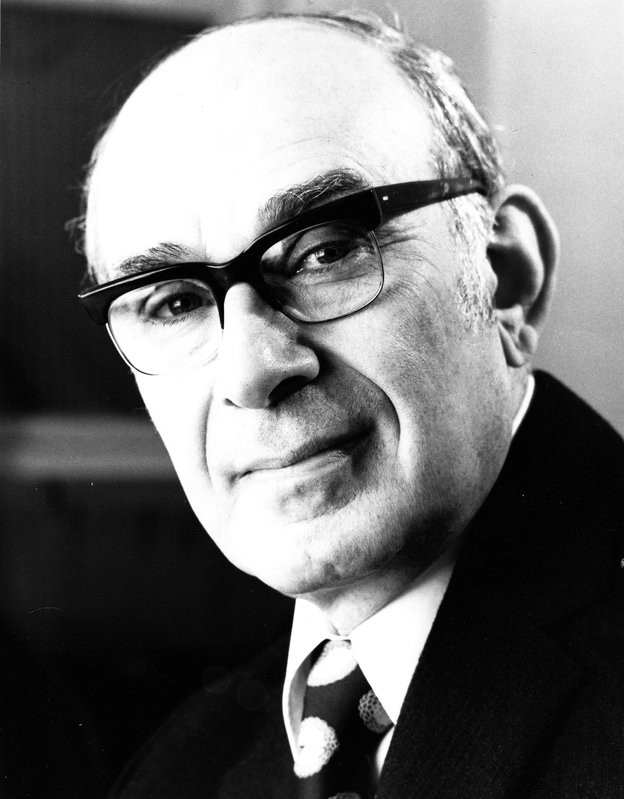
John Yudkin
John Yudkin
Pure, White and Deadly — career destroyed, vindicated posthumously
Ancel Keys
Ancel Keys
Seven Countries Study — the man who blamed fat
Documented
John Yudkin, a British physiologist, published Pure, White and Deadly in 1972, arguing that sugar — not fat — was the primary dietary cause of heart disease. Ancel Keys called his work “a mountain of nonsense.” The sugar industry’s World Sugar Research Organisation worked to discredit him. Yudkin was denied lab facilities, excluded from conferences, and died in 1995 largely forgotten — decades before the 2016 JAMA paper proved the consensus that destroyed him had been bought.
Yudkin, John. Pure, White and Deadly, 1972 (reissued 2012). Keys, A. “Sucrose in the diet,” Atherosclerosis, 1971.

The Pyramid Scheme

Luise Light, the USDA’s Director of Dietary Guidance, designed the original food pyramid. Her version recommended 3–4 servings of whole grains. The USDA’s political leadership overrode her, tripling it to 6–11 servings of bread, cereal, rice, and pasta — without specifying “whole” grain. The meat and dairy recommendations were also increased. Light later said: “I vehemently protested that the changes, if followed, could lead to an epidemic of obesity and diabetes — and I was right.”

The same USDA that sets your dietary guidelines is legally mandated to promote American agriculture. The agency telling you what to eat is the agency selling what farms produce.

D. Mark Hegsted — the Harvard scientist paid by the Sugar Research Foundation — became the USDA’s chief nutritionist, where he helped draft the 1977 Dietary Goals that enshrined the low-fat orthodoxy his industry funders had paid him to establish.
Dewayne Johnson
Dewayne Johnson
Groundskeeper — first Roundup plaintiff to win ($289M verdict)
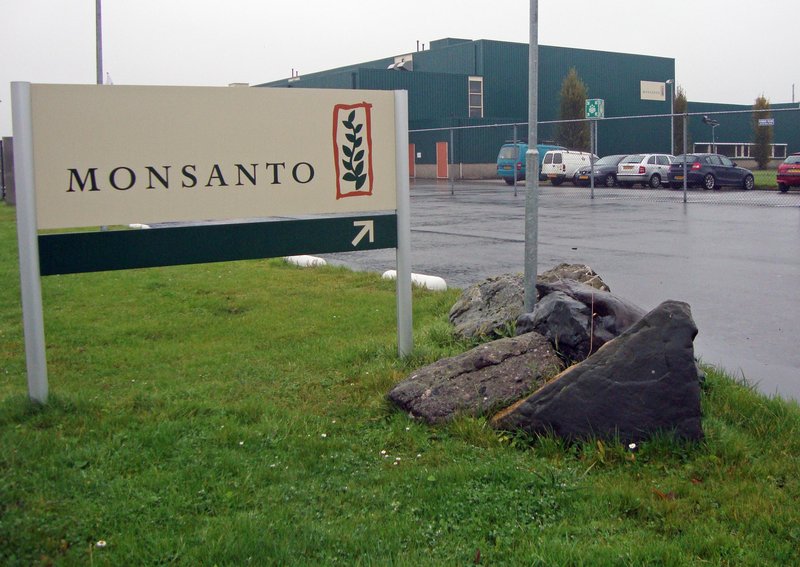
Monsanto facility
Monsanto
94% of U.S. soybeans — name retired after Bayer acquisition
Bayer cross logo illuminated
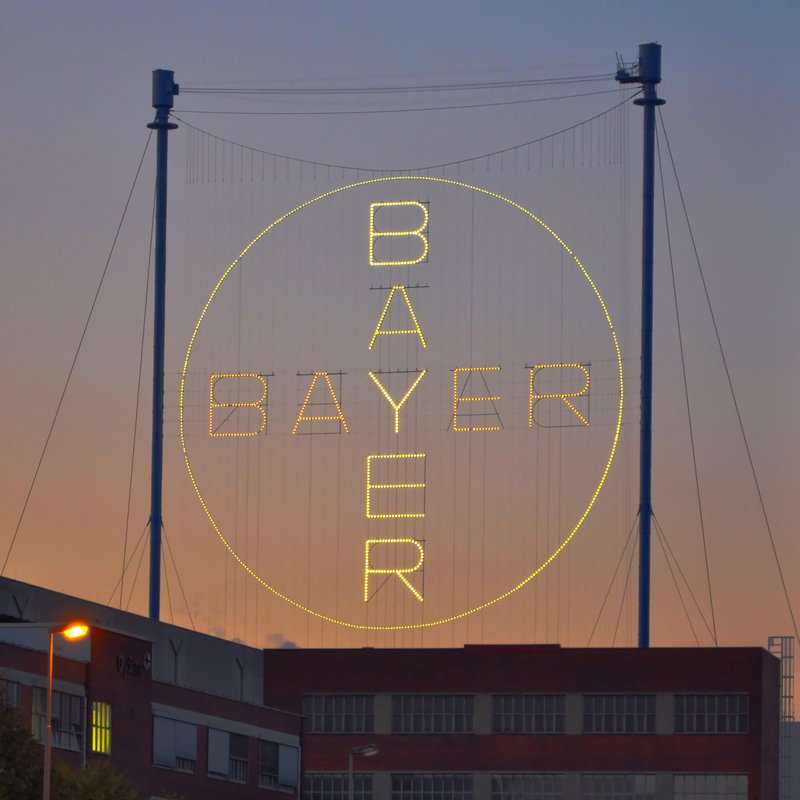
Bayer AG
IG Farben successor — acquired Monsanto for $63B

The Monsanto Papers

Documented
Internal Monsanto documents, obtained through litigation discovery in Dewayne Johnson v. Monsanto (2018), revealed that the company ghost-wrote scientific papers on glyphosate safety, then recruited academics to sign them. Monsanto toxicologist William Heydens wrote in a 2015 email: “We would just ghost write it... they would just edit & sign their names so to speak.” Internal emails also showed toxicologist Donna Farmer acknowledging: “You cannot say that Roundup is not a carcinogen... we have not done the necessary testing.”
Monsanto Papers, litigation discovery documents. Dewayne Johnson v. Monsanto Company, Case No. CGC-16-550128 (San Francisco Superior Court). Gillam, Carey. Whitewash, Island Press, 2017.
Documented
In 2015, the WHO’s International Agency for Research on Cancer classified glyphosate as “probably carcinogenic to humans” (Group 2A). The EPA said “not likely.” The Monsanto Papers revealed the company had advance warning of the IARC classification and developed a strategy to undermine it. EPA official Jess Rowland, who chaired the cancer review committee, told a Monsanto executive: “If I can kill this I should get a medal.” Rowland retired before he could be deposed.
IARC Monograph 112, March 2015. Monsanto Papers (litigation discovery). EPA CARC report, 2016.

Roundup Ready seeds now cover 94% of U.S. soybeans and 89% of U.S. corn. Seed costs have risen 325%. Glyphosate use increased 16-fold. Bayer acquired Monsanto for $63 billion — then lost billions more in court. Total litigation provisions: $16 billion.

Bayer retired the Monsanto name immediately. The brand was too toxic. The product is still on shelves.

The Fluoride Question

Documented
90% of U.S. water fluoridation uses fluorosilicic acid — a byproduct captured from the smokestack scrubbers of phosphate fertilizer plants. The CDC’s own materials acknowledge it is “a byproduct of the manufacture of phosphate fertilizers.” The Public Health Service endorsed fluoridation in 1950 — only 5 years into a planned 15-year safety study in Grand Rapids, Michigan.
CDC Water Fluoridation documentation. NSF/ANSI Standard 60. Grand Rapids fluoridation study records.
Documented
On September 24, 2024, U.S. District Judge Edward Chen ruled in Food & Water Watch v. EPA that fluoride in drinking water at current levels poses “an unreasonable risk of injury to health” — specifically to children’s neurological development. The NTP’s 2024 monograph, analyzing 72 studies, concluded fluoride is “a presumed cognitive neurodevelopmental hazard to humans,” associated with a 2–5 point IQ reduction. This is the first federal court ruling against water fluoridation in American history.
Food & Water Watch v. EPA, Case No. 3:17-cv-02162-EMC (N.D. Cal., Sept. 24, 2024). NTP Monograph on Fluoride Exposure, August 2024.

The Revolving Door

Michael TaylorFDA → Monsanto VP → FDA Deputy Commissioner → approved same products he helped develop
Scott GottliebFDA Commissioner → Pfizer Board (2 months later)
Billy TauzinChaired House committee, banned Medicare price negotiation → PhRMA president ($2.5M/yr)
Curtis WrightFDA reviewer who approved OxyContin → Purdue Pharma ($400K/yr)
Mark HegstedPaid by Sugar Research Foundation → USDA chief nutritionist → wrote the Dietary Goals
Documented
The Prescription Drug User Fee Act (PDUFA), enacted in 1992, requires pharmaceutical companies to pay the FDA to review their drug applications. User fees now constitute approximately 65% of the FDA’s drug review budget. A single new drug application costs $3.1 million. The agency that approves your medicine is funded by the companies selling it.
FDA PDUFA Financial Reports. FDA FY2023 fee schedule (Federal Register). Carpenter, Daniel. Reputation and Power, Princeton University Press, 2010.

Crisco was introduced in 1911 by Procter & Gamble — converting industrial cottonseed oil into “food.” Trans fats from hydrogenated oils would cause an estimated 30,000–100,000 premature cardiac deaths per year at peak consumption. The FDA didn’t ban them until 2018 — 107 years later.

Ultra-processed food now accounts for 57% of American calories. A 2024 BMJ umbrella review found “convincing evidence” that UPF consumption is associated with 50% higher cardiovascular death risk, 12% higher diabetes risk, and 48–53% higher depression risk.

The global ultra-processed food market is worth $3 trillion.

Act IV

The Kill Shot

Arthur Sackler
Arthur Sackler
Invented pharmaceutical advertising — made Valium the first $100M drug
Richard Sackler
Richard Sackler
Purdue Pharma president — “a blizzard of prescriptions”

Everything documented so far — the captured schools, the bought science, the revolving door — created the conditions. This act shows the body count.

>
Approval Marketing Peak Rx 600K Dead

FDA reviewer Curtis Wright → Purdue Pharma ($400K/yr) → “less than 1% addiction” → half a million graves.

U.S. Food and Drug Administration
FDA
65% of drug review budget funded by pharma user fees
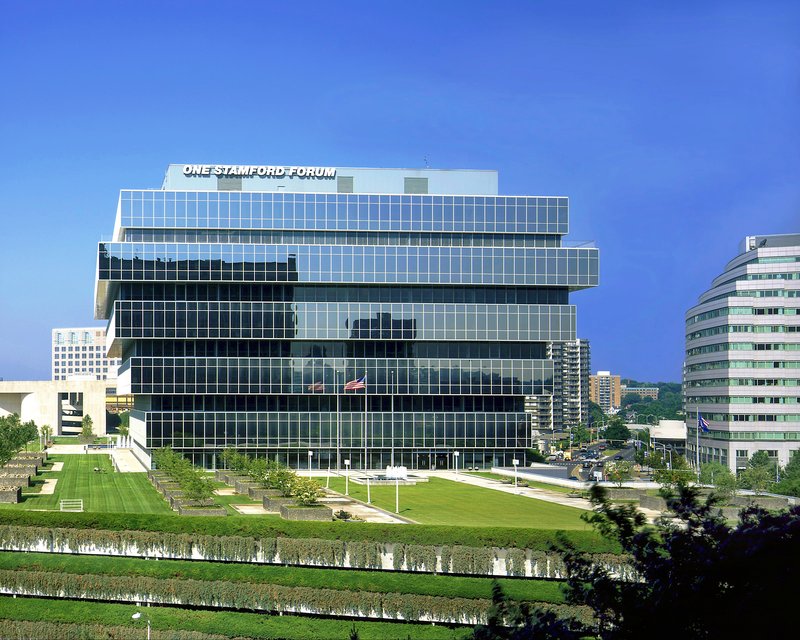
Purdue Pharma headquarters
Purdue Pharma
$35 billion in OxyContin revenue — filed bankruptcy 2019
Documented
OxyContin was approved by the FDA on December 28, 1995. The label included an unprecedented claim: that its delayed absorption was “believed to reduce the abuse liability.” No other opioid had received such language. The FDA reviewer who wrote those words — Curtis Wright IV — left the FDA within two years and was hired by Purdue Pharma at a reported salary of $400,000.
FDA NDA 20-553 approval records. GAO-03-482, “OxyContin: FDA Oversight of Its Promotion,” 2003. Senate Finance Committee investigation records.
Documented
Purdue’s primary citation for OxyContin’s safety was a five-sentence letter to the editor in the New England Journal of Medicine (Porter & Jick, 1980) about hospitalized patients receiving short-term monitored doses. That letter was cited over 600 times — overwhelmingly to justify long-term outpatient opioid prescribing. It was not a study. It was not peer-reviewed research. It was a paragraph.
Porter & Jick, NEJM, 1980, 302(2):123. Leung et al., “A 1980 Letter on the Risk of Opioid Addiction,” NEJM, June 1, 2017.

The marketing blitz: 1,000 sales reps. 34,000 branded promotional items — fishing hats, plush toys, music CDs. 5,000 physicians flown to resort conferences. Free starter coupons for patients. OxyContin sales rose from $48 million (1996) to $1.1 billion (2000). A 2,000% increase.

Documented
Richard Sackler, president of Purdue Pharma, sent an email at OxyContin’s launch: “The launch of OxyContin Tablets will be followed by a blizzard of prescriptions that will bury the competition.” As abuse reports mounted in 2001, he wrote: “We have to hammer on the abusers in every way possible. They are the culprits and the problem.” The strategy: blame the dying for their deaths.
Sackler deposition transcripts, Massachusetts v. Purdue Pharma. Internal Purdue emails released through litigation discovery.
Documented
McKinsey & Company consulted for Purdue from 2004–2019. In 2017, McKinsey proposed strategies to “turbocharge” OxyContin sales — including a proposal to pay distributors a rebate for every OxyContin overdose. When the crisis became a legal matter, McKinsey consultants discussed deleting documents. Senior partner Martin Elling pled guilty to obstruction of justice. McKinsey paid $651 million in settlements.
State AG settlement agreements, February 2021. DOJ press release, December 14, 2023. U.S. v. Martin Elling.

The Body Count

Opioid deaths (1999–2023)600,000+
Peak prescriptions (2012)259,900,000 — one for every U.S. adult
OxyContin revenue (cumulative)$35 billion
Sackler family withdrawals$10.4 billion
Sackler settlement$6 billion
Opioid crisis annual cost (2020)$1.5 trillion

600,000 dead. That exceeds American combat deaths in World War I, World War II, Korea, and Vietnam combined.

The accountability: $6 billion from a family that withdrew $10.4 billion. No prison time for any Sackler. That’s roughly $10,000 per death.
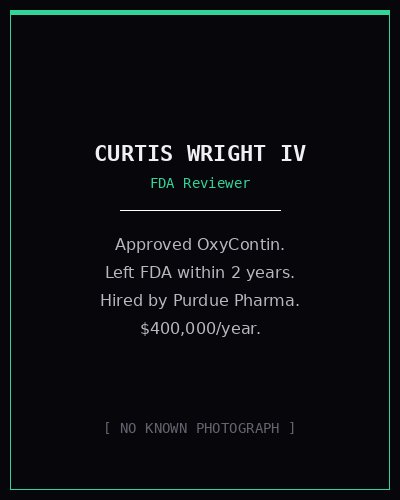
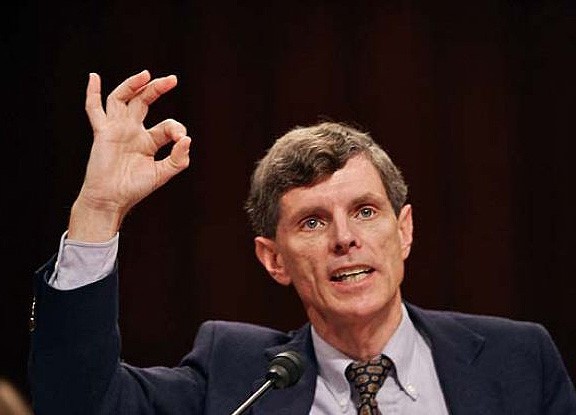
Curtis Wright IV
Curtis Wright IV
FDA reviewer → approved OxyContin → hired by Purdue
David Graham testifying before the Senate
David Graham
FDA whistleblower — “incapable of protecting America”
Documented
Purdue Pharma is not an anomaly. Merck’s Vioxx caused an estimated 88,000–139,000 heart attacks before being withdrawn in 2004. Internal emails revealed a “hit list” of critical doctors. GlaxoSmithKline paid $3 billion for hiding safety data and promoting drugs off-label (2012). Pfizer paid $2.3 billion — its fourth fraud settlement. These are not exceptions. They are the business model.
Senate Finance Committee hearing, November 18, 2004 (David Graham testimony). DOJ press releases: GSK (2012), Pfizer (2009). Merck litigation discovery documents.

The system didn’t fail. It performed exactly as designed. The product was never health. The product was dependency.

Act V

The Web

Pull back. See the whole system at once.

>
Oil Foundation Medical Education Pharma Food

Petroleum monopoly → philanthropic control → pharmaceutical paradigm → petrochemical agriculture → captured nutrition science.

Inference
The structural pattern connecting all five acts: One family’s oil monopoly funded the report that reshaped medical education (Flexner). That education system trained doctors in pharmaceutical intervention exclusively. The pharmaceutical companies descended from the same petrochemical complex (IG Farben). The food system was rebuilt on petrochemical fertilizers and pesticides (Green Revolution). The regulators are funded by the companies they regulate (PDUFA). The guidelines are written by scientists paid by the industries they evaluate. Each layer reinforces the others. This is not a conspiracy — it is a system.
Structural analysis from documented evidence presented across all acts of this investigation.

The Money

Pharma lobbying (1998–2023)$5.9 billion
Pharma lobbyists per congressmember3.4 to 1
Pharma payments to doctors (2022)$12.1 billion
DTC pharma ad spending$6 billion/year — one of only 2 countries that allow it
Industry-funded clinical trials65%
FDA drug review funded by pharma65%

The pharmaceutical industry spends more on lobbying than any other industry in the United States. They fund the FDA. They fund the clinical trials. They fund the doctors. They fund the TV ads. They fund the medical education. And the largest fraud settlements in American history — $3 billion, $2.3 billion, $2.2 billion — are treated as the cost of doing business. No major pharmaceutical company has ever been excluded from federal healthcare programs, despite repeat criminal convictions.

IG Farben building, Frankfurt
IG Farben Building
Frankfurt — headquarters of the company that made Zyklon B
>
IG Farben Nuremberg Bayer Monsanto 94% of U.S. Soybeans

Chemical weapons conglomerate → war crimes tribunal → pharmaceutical giant → $63B acquisition → your grocery store.

Across the Scrolls

Oil WarsRockefeller’s oil monopoly → petrochemical medicine → petrochemical agriculture
Money WarsPharma is the most profitable U.S. industry. Medical debt is the leading cause of bankruptcy.
Mind WarsThe same playbook: suppress the evidence, control the narrative, destroy the dissenters
AI WarsHealth data is the new oil. The body is being digitized into the same surveillance systems.
Media Wars$6B in pharma ads makes pharma the largest advertiser on broadcast media. Editorial independence dies quietly.

They didn’t just control your energy, your money, your mind, and your information. They controlled your body.

Act VI

The Cracks

The wall held for a century. It is cracking now.

The Receipts Go Public

2016: Cristin Kearns publishes the sugar industry documents. 50 years of manufactured scientific consensus, exposed.
2017: The Monsanto Papers are released through litigation discovery. Ghost-writing, regulatory capture, and internal admissions — in their own words.
2019: Purdue Pharma files for bankruptcy amid 2,600 lawsuits. The Sackler family withdrawals are documented in court: $10.4 billion moved out while the bodies piled up.
2020: Purdue pleads guilty to federal felonies. The Open Payments database now lets you search how much pharma paid your doctor.
2024: A federal court rules that water fluoridation poses “unreasonable risk.” 80 years of “settled science” is formally unsettled by a federal judge citing the government’s own toxicology program.
2024: The BMJ publishes its umbrella review: “convincing evidence” that ultra-processed food is killing us. The science the food industry delayed for decades is now mainstream.

The System Responds

FDA additive reviews are underway. Red Dye No. 3 banned. Brominated vegetable oil revoked. GRAS substances under new scrutiny — 66 years after the loophole was created. School lunch programs are being overhauled. Dietary guidelines are being revised with stated goals of reducing industry influence. Multiple states have introduced legislation on food additives, fluoride, and pharmaceutical transparency.

Whether these reforms survive the lobbying apparatus documented in this scroll remains to be seen. But the conversation has changed. The institutional critique that was once “fringe” is now entering federal courtrooms, congressional hearings, and mainstream medical journals.

The Architecture — One Last Look

EducationFlexner Report → pharmaceutical-only curricula → doctors trained to prescribe, not prevent
RegulationPDUFA → pharma funds its own regulator → revolving door normalizes capture
ScienceIndustry funds 65% of clinical trials → publication bias → ghost-written papers
FoodSugar fix → food pyramid → petrochemical agriculture → ultra-processed everything
EnforcementAMA gatekeeping → FDA suppression → alternatives eliminated → pharmaceutical monopoly
Narrative$6B in TV ads → media dependency → “trust the science” means trust the funding
You are here
>

The war for your body was fought with bought science, captured regulators, destroyed careers, and 600,000 graves. Every weapon is documented. Every name is on the record. Every dollar is traceable.

The question was never whether the evidence existed. The question was whether anyone would look at it.

You just did.

The war for your body is the most documented war in this series. Congressional records. Court settlements. Litigation discovery. The industry’s own internal memos. Every claim in this scroll is classified by evidence tier. Nothing documented is speculative. The pattern is the argument.
This investigation draws on the Flexner Report (1910), the Fitzgerald Report (Congressional Record, 1953), the Pepper-Neely hearings (1946), the Monsanto Papers (litigation discovery, 2017-2018), the Sugar Research Foundation documents (JAMA Internal Medicine, 2016), Purdue Pharma DOJ filings, the NTP fluoride monograph (2024), and the TSCA federal court ruling (2024). Primary sources are cited for every evidence card.
Documented — official records, FOIA releases, government reports, court documents, corporate filings, peer-reviewed research
Credible — credentialed witness testimony, verified backgrounds, consistent accounts
Inference — pattern analysis connecting documented and credible evidence

Disclosure is not a single event. It’s a process. And it only works if people are paying attention.

Independent research. No sponsors. No algorithm.
Support this work