The Web
You’ve scrolled through nine wars — for your technology, your money, your history, your mind, your energy, your information, your body, your sky, and your faith. You’ve seen the managed pipeline that replaced what they suppressed. Different names. Different decades. Different continents. But the same people keep appearing in every room. The Council on Foreign Relations publishes its membership. The Trilateral Commission publishes its membership. Bilderberg publishes its attendee list. This scroll doesn’t speculate. It puts the published lists side by side — and lets you see the room.
The Same Room
Nine wars. Artificial intelligence, money, space, consciousness, energy, information, bodies, atmosphere, spirit. Each one looks like a different story — different agencies, different industries, different decades. But if you write down the names, the same surnames keep surfacing. The same organizations appear in the footnotes. The same foundation funded the research. The same law firm handled the paperwork. The same family chaired the board.
This isn’t a conspiracy theory. It’s a directory.
What makes this scroll different from the previous nine is that it doesn’t investigate a new domain. It investigates the personnel overlap — the organizational chart that connects every war you’ve already read. The evidence isn’t classified. It’s on their own websites.
The Overlap
The web isn’t hidden. You just weren’t supposed to put the lists in the same room.
The Membership List
Three organizations. Each publishes its own membership. Each has members who appear in every war you’ve scrolled through. Together they form the connective tissue of the 20th and 21st centuries — the nexus where intelligence, finance, defense, media, and policy meet in the same room, behind the same closed doors, and call it public service.
The Council on Foreign Relations

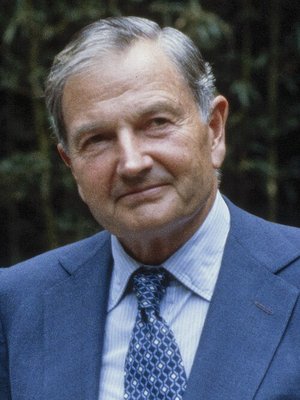
The CFR isn’t a conspiracy. It’s a membership organization that publishes the journal Foreign Affairs, hosts policy discussions, and places its members in government. The conspiracy is that a single private organization has supplied a significant fraction of every presidential Cabinet since Eisenhower — and almost nobody knows it exists.
CFR → CIA Director Pipeline
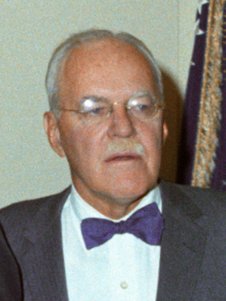
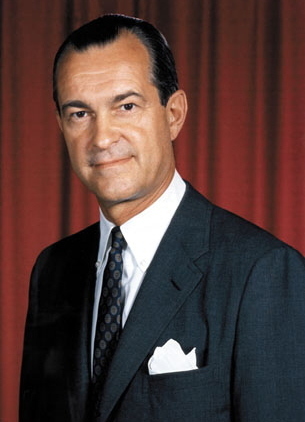
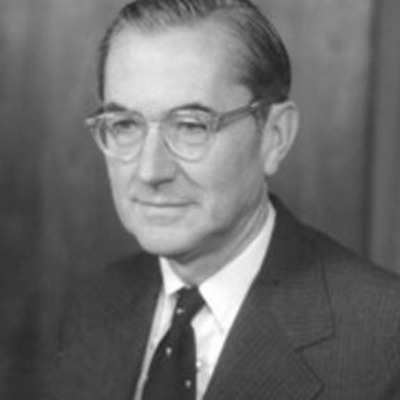
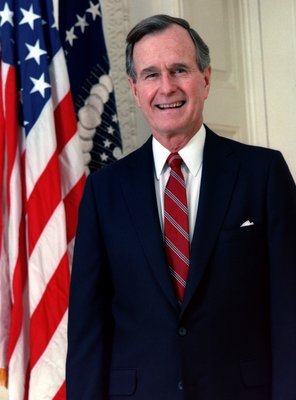
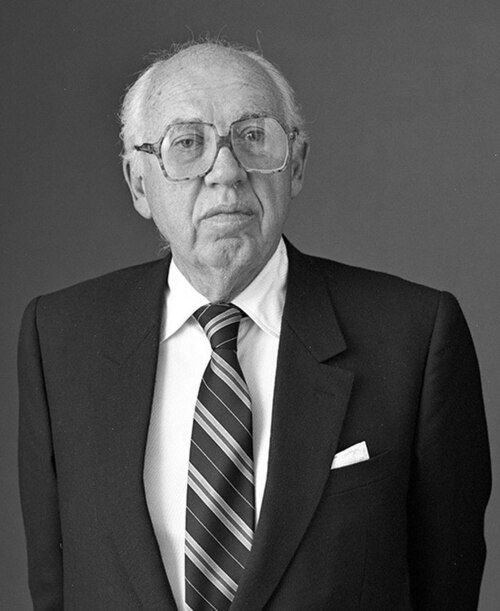

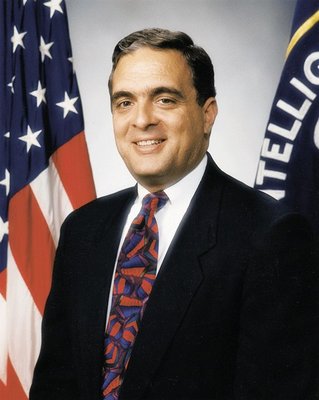
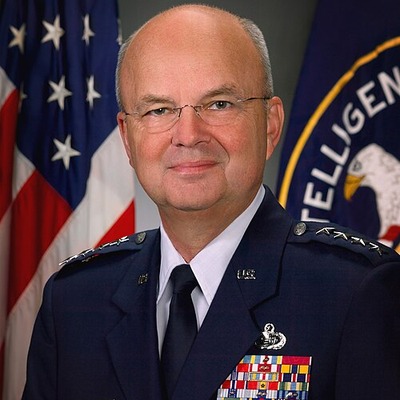
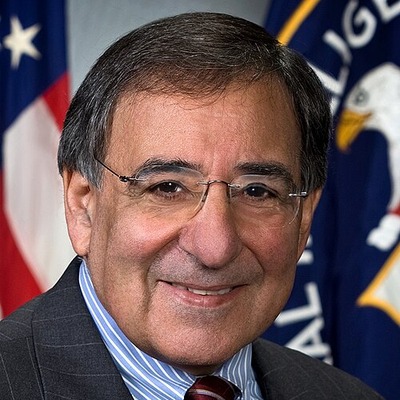

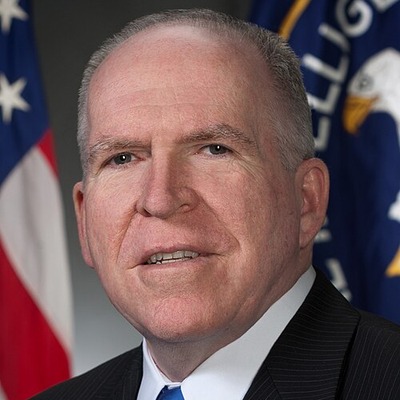
One membership list. One private organization. Seven decades of CIA directors. This isn’t inference. It’s their own roster.
The Trilateral Commission


An organization that published a report calling democracy a problem placed 19 members in the next presidential administration. The report wasn’t classified. The membership wasn’t secret. The administration happened anyway.
The Bilderberg Group
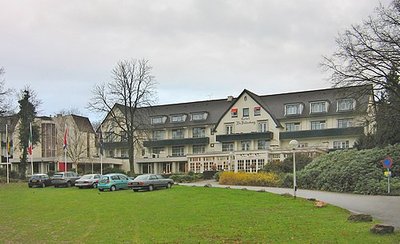
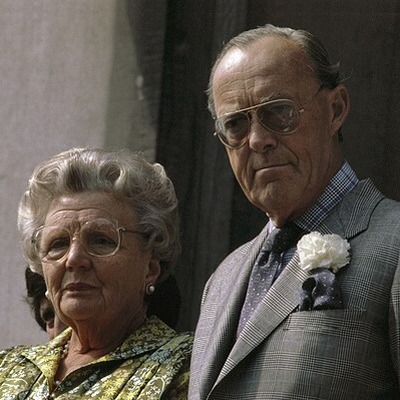
IG Farben built the factories at Auschwitz. IG Farben manufactured Zyklon B. After the war, IG Farben was broken up into Bayer, BASF, and Hoechst — the same companies that appear in Body Wars. The man who worked for IG Farben before the war founded the most exclusive policy forum on Earth after it. You scrolled through this connection in Scroll 007. Now you see where the founder sits.
The Overlap
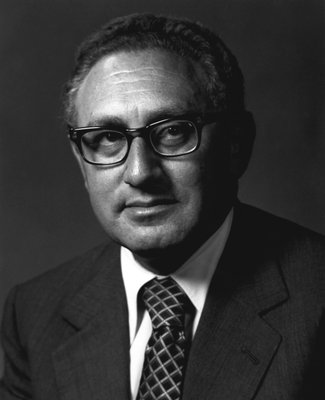

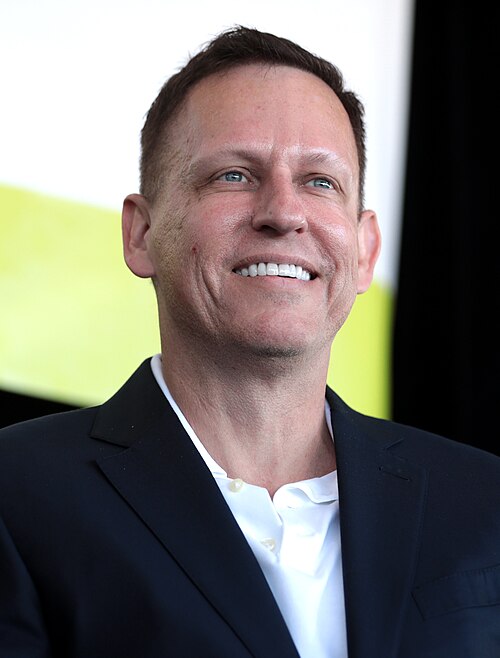

When the same 87 people sit on the membership rolls of the three organizations that shape Western foreign, economic, and defense policy — that’s not a coincidence. That’s a org chart.
The Dynasty
Organizations have members. But some members built the organizations. Behind the membership lists are family trees — dynasties whose surnames appear across every scroll in this series, not because they joined the machine but because they designed it. The Rockefellers didn’t just attend CFR meetings. They chaired them for decades, funded them, and built the building they meet in.
The Rockefeller Through-Line
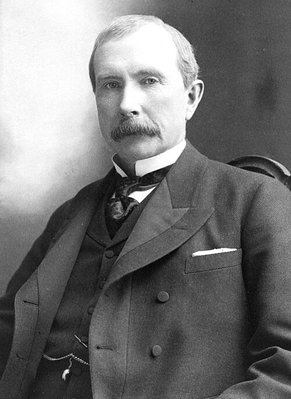
Oil → medicine → foreign policy → banking → trilateral governance → elite forums → population policy. Every link in this chain is from Rockefeller Foundation records and David Rockefeller’s own Memoirs.
The Dulles Brothers
The Bush Dynasty
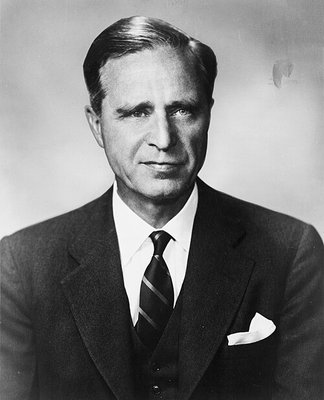
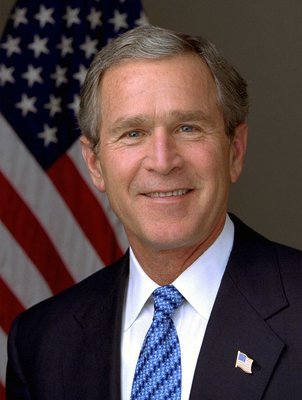
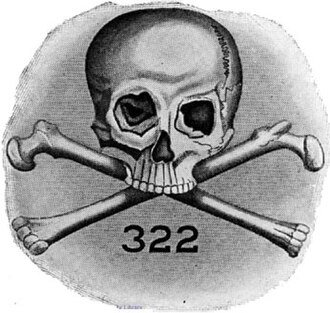
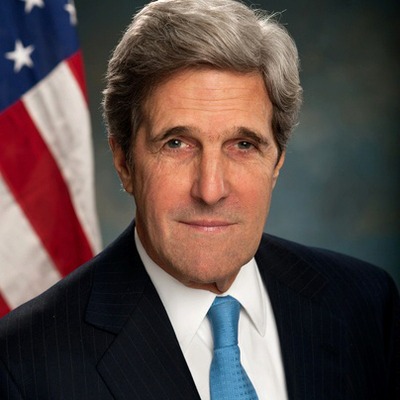
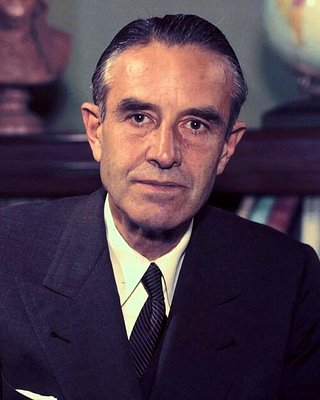
Averell Harriman (S&B 1913) co-founded Brown Brothers Harriman with Prescott Bush. He served as Ambassador to the Soviet Union, Ambassador to the UK, Secretary of Commerce, and Governor of New York. The firm Brown Brothers Harriman remains the oldest and largest private investment bank in the United States.
The Insider Historian

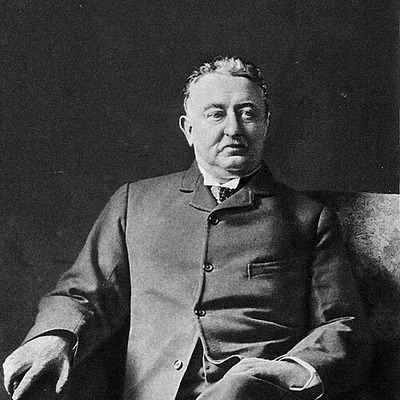
Cecil Rhodes → Alfred Milner → Round Table groups → Royal Institute of International Affairs → Council on Foreign Relations → Trilateral Commission. Documented by the network’s own sanctioned historian, Carroll Quigley, using their own records.
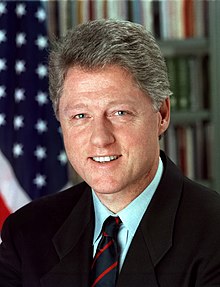
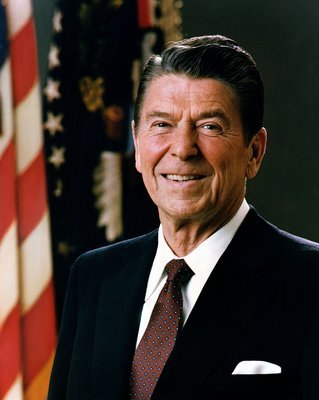
Clinton named Quigley as a formative influence in his 1992 DNC acceptance speech. He was a Rhodes Scholar. He attended Bilderberg in 1991 — the year before his presidential run. The network’s own historian taught the man who became President. Reagan, despite his outsider rhetoric, staffed his administration with over 80 CFR members. The personnel pipeline doesn’t care which party wins.
The Octopus
You’ve been looking at published membership lists and family trees. Board seats and CFR rosters. You might be thinking: this is just how power works. Elites know each other. They join the same clubs. It’s influence, not conspiracy.
One man disagreed. He thought the connections weren’t just social — they were operational. He called it the Octopus. He died in a hotel room in Martinsburg, West Virginia, with his wrists slashed, his notes missing, and a meeting with his source scheduled for the next morning.
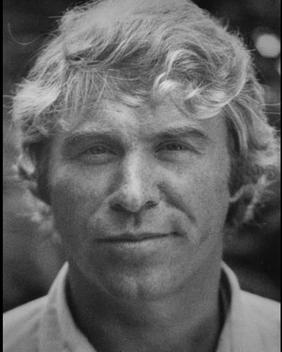
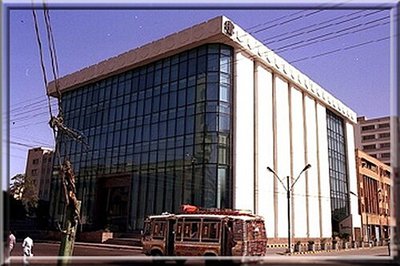
You thought this scroll was about powerful people joining the same clubs. It’s actually about what happens when someone tries to draw the lines between them. The web doesn’t hide its membership. It hides its operations. And it buries its cartographers.
BCCI — The Bank That Connected Everything
INSLAW/PROMIS — The Software
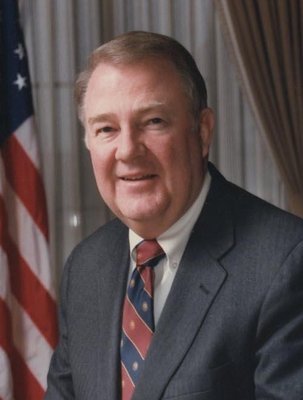
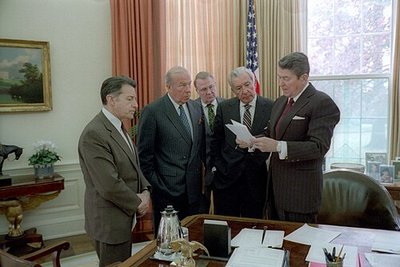
Iran-Contra — The Operation
Surveillance software → hostage deal → arms-for-drugs → global money laundering → CIA narcotics trafficking → federal cover-up. Every link investigated by Congress. Every link buried. The journalist who connected them all was found dead.
The Price
The web doesn’t punish outsiders for believing in conspiracies. It punishes cartographers. The people who end up dead aren’t the ones who speculate about the Illuminati on YouTube. They’re the ones with documents, source networks, and a meeting scheduled for the next morning.
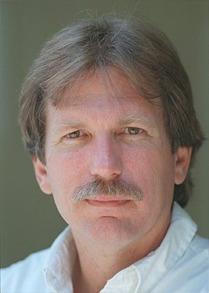
The three largest newspapers in America attacked the journalist. The agency he exposed confirmed his findings. He died with two bullets in his head. The CIA report that vindicated him was published on a Friday afternoon with no press conference.
The Quigley Paradox
The Cartographers
The web doesn’t fear exposure. It fears cartography. Allegations come and go. Org charts are permanent.
The Room
The oldest pattern in this series isn’t the CIA or the CFR. It’s the revolving door — the mechanism by which the same people cycle through intelligence, defense, finance, and policy without ever leaving the room. The door revolves. The room doesn’t change.
The Revolving Door
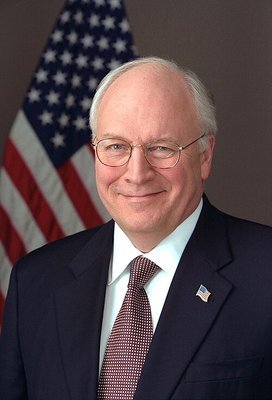
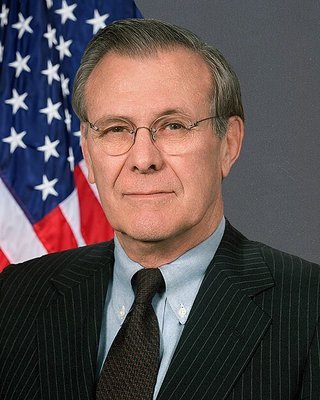
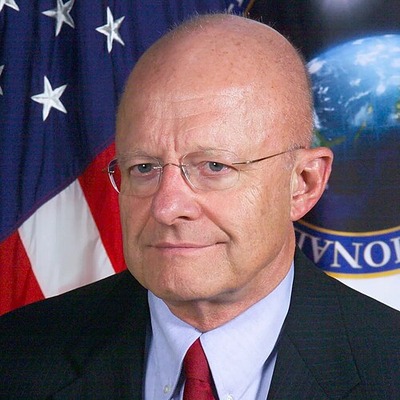
The Silicon Valley Pipeline


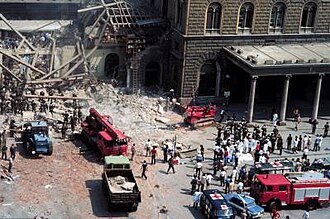
Operation Gladio — The Shadow Army
Ten Wars. One Room.
Ten wars. Nine domains. One organizational chart. The names that appear in your AI feed, your banking system, your defense budget, your medical infrastructure, your media landscape, your energy grid, your atmosphere, and your spiritual marketplace — they sit on the same boards, attend the same annual meetings, and publish their own membership lists.
The web isn’t a theory. It’s a directory. And it was always public.
Programs don’t disappear. They get board seats. Cartographers don’t retire. They get buried. And the room doesn’t close — it just stops sending invitations to journalists.
Now you’ve seen the room.
Ten wars. One room. Every scroll in this series is documented, sourced, and verifiable. The reason most people can’t see the web isn’t that it’s hidden — it’s that no one puts the lists in the same room.
Now you have.
